Temperature and humidity can significantly influence the quality, stability, and performance of manufactured products. Electronic components may behave differently under humid conditions, packaging materials can absorb moisture, and certain industrial materials may expand, contract, or deteriorate when exposed to changing environments. For manufacturers, understanding these effects is essential for developing reliable products and maintaining consistent quality standards.
Environmental testing provides a controlled way to investigate how products respond to specific temperature and moisture conditions. Instead of relying on unpredictable room conditions or outdoor exposure, laboratories can maintain defined settings for a particular period and observe changes under repeatable circumstances.
A well-planned testing process helps businesses identify weaknesses, compare materials, improve product designs, and reduce the likelihood of failures during storage, transportation, or everyday use.
Why Temperature and Humidity Control Matter
Temperature and relative humidity often work together to influence material behavior. Relative humidity describes the amount of water vapor in the air compared with the maximum amount the air can hold at the same temperature.
When environmental conditions change, a material may absorb moisture, lose moisture, or experience physical and chemical changes. These effects depend on its composition and intended application.
For example, electronic assemblies may be vulnerable to moisture-related corrosion or insulation problems. Paper-based packaging can lose strength when it absorbs excessive moisture, while certain polymers may change dimensions or mechanical properties. Pharmaceutical packaging and selected laboratory materials may also require controlled storage or testing conditions.
Temperature changes can further complicate these effects. Warmer conditions may increase the rate of some chemical reactions, while cooling can lead to condensation if a surface temperature falls below the surrounding air’s dew point.
Controlling both variables allows laboratories to investigate their combined influence more effectively. It also helps establish whether a product can maintain its required performance under defined environmental conditions.
How a Constant Environmental Chamber Works
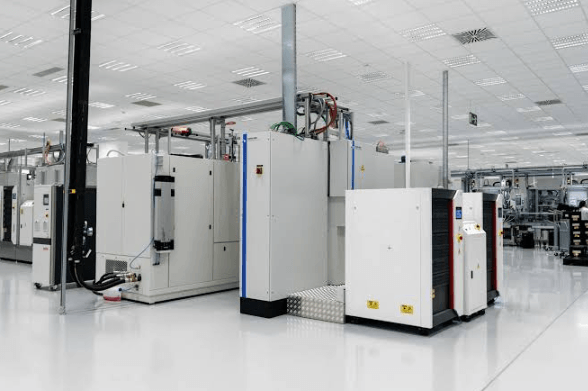
A constant temperature and humidity chamber creates an enclosed space where temperature and relative humidity can be adjusted and maintained according to a selected test program.
The system generally includes an insulated chamber, heating components, refrigeration equipment, humidity-control mechanisms, sensors, airflow components, and a programmable controller. The precise configuration varies by model and intended application.
The heating and cooling systems regulate temperature, while the humidity-control system adds or removes moisture as required. Sensors measure the internal conditions, and the controller adjusts system operation to maintain the programmed settings.
Air circulation supports temperature and humidity distribution throughout the usable workspace. However, uniformity depends on chamber design, loading arrangement, specimen placement, and airflow conditions. Laboratories should review the manufacturer’s performance specifications rather than assuming that every location inside the chamber will have identical conditions.
When evaluating equipment, businesses may consider a LIB industry constant temperature and humidity chamber supplier as part of their research into environmental testing solutions. Selection should be based on the required test conditions, working volume, applicable standards, and long-term operating needs.
Applications Across Different Industries
Electronics and Electrical Manufacturing
Electronic products may encounter varying environmental conditions during storage, transportation, and operation. Moisture can contribute to corrosion, leakage currents, insulation problems, and other reliability concerns, depending on the component and its design.
Environmental testing helps manufacturers evaluate circuit boards, connectors, sensors, control modules, and related assemblies under specified temperature and humidity conditions.
Testing can also reveal weaknesses in protective coatings, seals, and enclosure designs. The results support product improvement and help manufacturers determine whether additional moisture protection is necessary.
Some electronic components require specialized test methods, including temperature cycling or highly controlled humidity exposure. The selected chamber must support the actual procedure rather than simply provide general temperature and humidity control.
Automotive Components
Automotive products operate across a wide range of climates and environmental conditions. Electronic control units, wiring assemblies, interior materials, sensors, and selected mechanical components may be affected by changes in temperature and moisture.
Testing allows manufacturers to examine whether components maintain their intended function after exposure to defined conditions. It can also support the assessment of materials used in vehicle interiors, where temperature and humidity may influence appearance, comfort, or dimensional stability.
Automotive testing requirements can vary by component and manufacturer. Laboratories should identify the applicable specifications before deciding on equipment and test procedures.
Plastics, Rubber, and Industrial Materials
Many polymers respond to environmental moisture and temperature changes. Some materials absorb water, while others may become brittle, soften, or change dimensions under particular conditions.
A controlled chamber can help researchers compare different formulations, examine moisture sensitivity, and assess the stability of finished products. Rubber components, seals, industrial housings, and molded plastic parts may require different exposure conditions according to their expected use.
Where dimensional or mechanical performance is important, visual inspection should be supplemented with appropriate measurements before and after exposure.
Packaging and Paper Products
Packaging materials may experience substantial changes in humidity during storage and distribution. Paperboard, corrugated packaging, labels, and certain fiber-based products can absorb moisture from the surrounding environment.
This absorption may influence stiffness, compression resistance, dimensional stability, and the ability of packaging to protect its contents.
Controlled environmental conditioning helps manufacturers evaluate these effects and compare materials under consistent conditions. It can also support the development of packaging specifications for different transportation routes or storage environments.
Pharmaceutical and Laboratory Supplies
Some pharmaceutical packaging materials, laboratory consumables, and research products require controlled environmental conditions during evaluation. Temperature and humidity can influence material stability, moisture transmission, and certain product characteristics.
Testing should follow the relevant product requirements and validated procedures. A general environmental chamber should not automatically be treated as suitable for every stability study, particularly when specialized monitoring, regulatory controls, or product-specific equipment is required.
Important Factors When Selecting a Chamber
Choosing environmental testing equipment involves balancing technical performance, capacity, operating requirements, and budget.
Temperature and Humidity Ranges
The first step is identifying the temperature and relative humidity conditions required by the intended tests. Laboratories should consider both routine requirements and any demanding conditions specified by relevant standards.
The chamber should be capable of achieving the required settings under the expected loading conditions. Published operating limits and performance specifications should be reviewed carefully.
Stability and Uniformity
Stability describes how closely the chamber maintains a set condition over time at a particular location. Uniformity describes differences in conditions across the usable workspace.
Both characteristics can influence test reliability. A chamber with suitable nominal ranges may still be inappropriate if its stability or uniformity does not meet the test requirements.
Laboratories should review the manufacturer’s stated performance and understand the conditions under which those values were measured.
Working Volume and Sample Arrangement
The internal dimensions should accommodate the number and size of specimens without obstructing airflow. Fixtures, trays, and monitoring instruments may also require space.
Selecting the correct capacity can improve testing efficiency while avoiding unnecessary energy consumption. The arrangement of samples should follow the applicable procedure, especially when multiple specimens are tested simultaneously.
Controller and Data Management
A clear control interface helps operators establish temperature and humidity settings, program exposure periods, and monitor system performance.
Depending on the application, useful functions may include alarms, programmable cycles, data logging, and exportable records. Laboratories that require traceability should confirm that the equipment supports their documentation and record-retention procedures.
Service, Calibration, and Maintenance
Routine maintenance helps preserve reliable operation. Sensors, door seals, water systems, filters, and refrigeration components may require periodic inspection or servicing.
Before purchasing a chamber, businesses should investigate technical support, spare-parts availability, warranty coverage, maintenance requirements, and calibration services. These factors can affect the total cost of ownership over the equipment’s working life.
See also: Understanding Surface Materials for Demanding Interior Applications
Preparing and Conducting Environmental Tests
A consistent procedure is essential for obtaining useful results. Before testing, laboratories should define the objective, select the appropriate standard or internal method, and determine the required environmental settings and exposure duration.
Specimens should be prepared consistently and labeled clearly. Their material type, dimensions, production batch, and initial condition should be documented where relevant.
Before starting a test, operators should verify that the chamber is clean, the sensors are functioning correctly, and the programmed settings match the approved procedure. Samples should be arranged to allow appropriate airflow and avoid unnecessary obstruction.
When the test requires stabilization, the chamber should reach the specified conditions before the relevant exposure period or measurements begin. Operators should record the actual conditions, test duration, specimen placement, and any interruptions.
After exposure, specimens should be evaluated according to the purpose of the test. Measurements may include dimensions, appearance, mass, electrical performance, mechanical strength, or other product-specific characteristics.
Comparing results with baseline measurements helps identify changes associated with the environmental exposure. Clear documentation also makes it easier to repeat tests and investigate unexpected findings.
Common Challenges and How to Address Them
One common challenge is overloading the chamber. Too many specimens or poorly arranged samples can interfere with airflow and create uneven environmental conditions. Following the recommended loading arrangement helps reduce this risk.
Another challenge is selecting settings that do not match the intended test method. Excessively high temperatures or humidity levels may create conditions that are not representative of actual use or may introduce a different degradation mechanism.
Poor maintenance can also affect performance. A blocked filter, damaged seal, or malfunctioning sensor may make it difficult to maintain the required conditions. Scheduled inspections and prompt investigation of abnormal readings help reduce these problems.
Finally, laboratories should avoid treating a single test as a complete prediction of product lifespan. Environmental testing provides evidence under specified conditions, but actual product performance can also depend on mechanical stress, chemical exposure, manufacturing variation, and other factors.
Frequently Asked Questions
1. What is a constant temperature and humidity chamber used for?
It is used to expose products and materials to controlled temperature and relative humidity conditions. Typical applications include electronics reliability testing, material evaluation, packaging studies, and product development.
2. Why should temperature and humidity be controlled together?
Temperature and humidity can interact to influence moisture absorption, condensation, corrosion, dimensional changes, and material stability. Controlling both variables helps laboratories investigate these effects under defined and repeatable conditions.
3. How should a laboratory choose the right chamber capacity?
The laboratory should consider specimen dimensions, the number of samples tested at once, necessary fixtures, and airflow requirements. The selected working volume should accommodate the planned test arrangement without compromising environmental performance.
Conclusion
Controlled temperature and humidity testing helps manufacturers understand how environmental conditions affect product quality, material stability, and reliability. By maintaining defined settings in a laboratory environment, businesses can compare materials, investigate potential weaknesses, and improve product-development decisions.
The most suitable equipment depends on required environmental ranges, stability, uniformity, specimen capacity, monitoring features, and maintenance support. Combined with consistent sample preparation and accurate documentation, a properly selected chamber can support more dependable testing and stronger quality-assurance practices.


 By