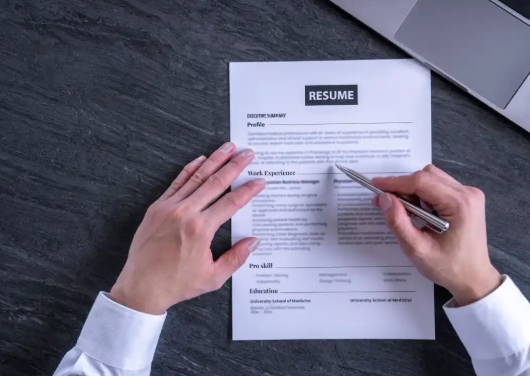
A resume doesn’t need to be complicated to make a strong impression. In fact, a clear and simple resume can often communicate your skills, experience, and career goals much better than a document packed with unnecessary details.
When you’re preparing your resume for a new opportunity, think about the person reading it. Recruiters and employers usually want to understand your background quickly. If your resume is difficult to read or filled with information that doesn’t matter to the position, important details can easily get overlooked.
Whether you’re starting your first job search or looking for a better position, keeping your resume simple can make the process easier. If you’re using a platform for หางาน or planning toสมัครงาน, a well-organized resume can help present your professional background more effectively.
Start With a Clean Resume Layout
The first step toward a simple resume is choosing a clean layout. You don’t need multiple colors, unusual fonts, large graphics, or complicated designs.
Use clear headings such as Contact Information, Professional Summary, Work Experience, Education, and Skills. Keep the formatting consistent throughout the document.
Choose an easy-to-read font and make sure the text has enough space around it. A little white space can make a big difference because it allows the reader to move from one section to another without feeling overwhelmed.
Remember, your resume should look professional, not crowded.
Focus on Relevant Information
One common mistake is trying to include everything you’ve ever done. Your resume isn’t supposed to be your entire life story.
Instead, focus on information that relates to the type of job you want.
For example, if you’re applying for a marketing position, your experience with marketing campaigns, social media, content creation, analytics, and customer research may be more important than an unrelated temporary job you had several years ago.
Ask yourself a simple question: “Does this information help show why I’m suitable for this position?”
If the answer is no, consider removing it or keeping it very brief.
Write a Short and Useful Summary
Your professional summary should quickly explain who you are and what you can offer.
You don’t need a long paragraph. Two or three sentences can be enough.
Mention your main area of experience, a few important strengths, and the type of role you’re interested in. Avoid vague statements that could apply to almost anyone.
Instead of writing that you’re “a hardworking and motivated person,” explain what you actually do well. For example, you might mention experience managing projects, communicating with clients, analyzing data, or creating digital content.
Specific information is more useful than general claims.
Make Your Work Experience Easy to Scan
Your work experience section should be simple to understand at a glance.
List your most recent position first, followed by previous roles. For each position, include your job title, company, employment period, and a few points describing your responsibilities or achievements.
Try to focus on results when possible.
For example, instead of saying that you “managed social media accounts,” you could explain that you managed social media content and helped increase audience engagement.
Numbers can also make achievements easier to understand. If you increased sales, reduced costs, managed a certain number of clients, or completed a specific number of projects, include those details when they’re accurate.
Keep Your Skills Section Relevant
A long list of skills doesn’t necessarily make a resume stronger.
Choose skills that are relevant to the position you’re applying for. You might include technical abilities, software knowledge, communication skills, industry knowledge, or other useful qualifications.
Avoid adding skills simply because they sound impressive. Employers are more interested in skills you can actually demonstrate through your education or work experience.
If you’re applying for different types of jobs, you can also adjust your skills section for each application.
Avoid Unnecessary Personal Details
A simple resume should contain useful professional information, not unnecessary personal details.
Your contact information should be easy to find, but you generally don’t need to include unrelated information about your personal life.
Keep the focus on your professional background, qualifications, experience, and skills.
This also helps keep your resume shorter and more focused.
Check Your Resume Before Sending It
Even a simple resume can lose its impact if it contains spelling mistakes, inconsistent formatting, or incorrect information.
Before submitting it, read the entire document carefully. Check job titles, dates, company names, contact details, grammar, and spacing.
It can also help to read your resume out loud. You may notice awkward sentences or repeated words that you missed while reading silently.
Most importantly, make sure the resume matches the job you’re applying for.
Keep It Simple and Targeted
A good resume doesn’t need to impress people with complicated language or fancy formatting. It needs to make your professional story easy to understand.
Use clear headings, short sections, relevant experience, and straightforward language. Remove information that doesn’t support your application, and give extra attention to the skills and achievements that matter for the role.
When you’re ready to start หางาน or สมัครงาน, take a few extra minutes to review your resume first. A clear and simple document can help employers understand your value without making them search through unnecessary information.
In the end, simplicity isn’t about leaving important information out. It’s about presenting the right information in a way that’s easy to read, understand, and remember.


 By