The relationship between what we eat and how our bodies experience pain extends far beyond simple nutrition. Emerging research continues to reveal that dietary patterns can either amplify or reduce inflammatory responses throughout the body, directly affecting conditions ranging from arthritis to persistent musculoskeletal discomfort. For individuals managing chronic pain, understanding these connections offers a complementary approach alongside conventional medical treatment.
The Inflammation-Pain Connection
Inflammation serves as the body’s natural defense mechanism, but when it becomes chronic, it transforms into a source of ongoing discomfort. The foods we consume can either trigger inflammatory pathways or help regulate them through biochemical interactions at the cellular level. Pro-inflammatory compounds found in certain dietary choices promote the release of cytokines and other signaling molecules that heighten pain sensitivity, while anti-inflammatory nutrients work to dampen these responses.
Research has identified specific dietary components that consistently correlate with increased systemic inflammation. Refined carbohydrates cause rapid spikes in blood sugar, triggering inflammatory responses. Trans fats and excessive omega-6 fatty acids, common in processed foods, disrupt the body’s inflammatory balance. High consumption of red and processed meats has been associated with elevated inflammatory markers in multiple studies. Meanwhile, added sugars not only promote inflammation directly but also contribute to weight gain, which places additional mechanical stress on joints and soft tissues.
Anti-Inflammatory Dietary Patterns
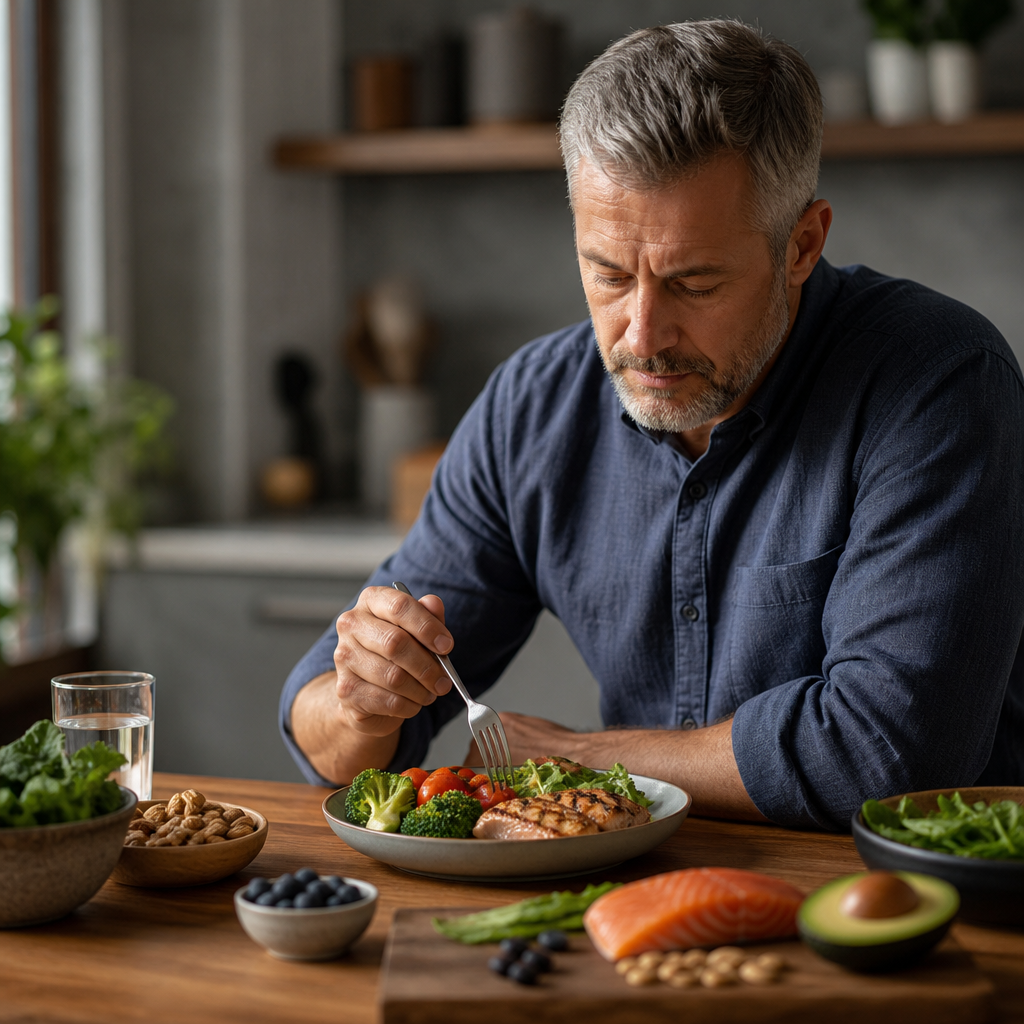
Several eating patterns have demonstrated measurable effects on reducing inflammation and pain. The Mediterranean diet, characterized by abundant vegetables, fruits, whole grains, legumes, nuts, olive oil, and moderate fish consumption, consistently shows benefits in clinical observations. This pattern provides high levels of polyphenols, omega-3 fatty acids, and fiber, all of which contribute to inflammatory regulation.
Plant-based diets rich in colorful vegetables deliver a spectrum of bioactive compounds that combat oxidative stress. The pigments that give vegetables their distinctive colors—anthocyanins in purple cabbage, carotenoids in carrots and peppers, chlorophyll in leafy greens—function as antioxidants that neutralize free radicals involved in inflammatory processes. These natural compounds offer therapeutic potential when incorporated consistently into daily meals, a topic explored in detail when examining food development applications of plant pigments.
Omega-3 fatty acids from fatty fish like salmon, mackerel, and sardines provide EPA and DHA, which the body converts into specialized pro-resolving mediators that actively resolve inflammation. For those who don’t consume fish, alternatives include chia seeds, flaxseeds, and walnuts, though these provide ALA, which the body must convert to the active forms with varying efficiency.
Specific Nutrients and Pain Management
Certain vitamins and minerals play direct roles in pain perception and tissue health. Vitamin D deficiency has been linked to increased pain sensitivity and musculoskeletal discomfort, particularly in regions with limited sun exposure. Magnesium contributes to muscle relaxation and nerve function, with inadequate intake potentially exacerbating muscle tension and spasms. B vitamins support nerve health and may influence neuropathic pain conditions.
Curcumin, the active compound in turmeric, has been studied extensively for its anti-inflammatory properties. Its bioavailability improves significantly when consumed with black pepper, which contains piperine. Ginger contains gingerols and shogaols that inhibit inflammatory pathways similar to some pharmaceutical interventions. Green tea provides epigallocatechin gallate, a catechin with demonstrated anti-inflammatory effects in laboratory studies.
When to Seek Medical Evaluation
While dietary modifications support overall health and may reduce inflammation, persistent or severe pain requires professional medical assessment. Distinguishing between conditions that respond to conservative management and those requiring immediate intervention matters greatly for outcomes. Understanding when different levels of medical care are appropriate helps patients make informed decisions about seeking treatment.
Chronic neck and shoulder pain, for instance, may stem from various causes including muscle strain, disc issues, nerve compression, or inflammatory conditions. For residents of the UAE experiencing persistent discomfort in these areas, specialized evaluation by a neck pain doctor at facilities like Cleveland Clinic Abu Dhabi provides access to comprehensive diagnostic capabilities and evidence-based interventional treatments. These specialized services complement lifestyle modifications and help identify underlying conditions that dietary changes alone cannot address.
Practical Implementation Strategies
Transitioning to an anti-inflammatory eating pattern works best as a gradual process rather than an abrupt overhaul. Start by increasing vegetable intake at each meal, aiming for variety in colors to maximize the range of beneficial compounds. Replace refined grains with whole grain alternatives like brown rice, quinoa, and whole wheat products. Swap cooking oils high in omega-6 fatty acids for olive oil or avocado oil.
Meal preparation simplifies adherence to healthier patterns. Batch cooking legumes, whole grains, and roasted vegetables provides building blocks for quick meals throughout the week. Keep anti-inflammatory snacks readily available—raw nuts, fresh berries, vegetable sticks with hummus—to avoid reaching for processed options during busy moments.
Hydration deserves attention as well. Water supports the elimination of metabolic waste products and maintains tissue health. Herbal teas like chamomile, rooibos, and peppermint provide additional antioxidants without the potential inflammatory effects of excessive caffeine.
Individual Responses and Food Sensitivities
Individual responses to specific foods vary considerably. Some people experience increased inflammation and pain from nightshade vegetables like tomatoes, peppers, and eggplants, though scientific evidence for this remains limited. Others find that gluten or dairy products trigger symptoms, particularly those with underlying sensitivities or autoimmune conditions.
An elimination approach can help identify personal triggers. Remove suspected foods for three to four weeks, then reintroduce them one at a time while monitoring symptoms. Keep a detailed food and symptom journal to identify patterns that might not be immediately obvious. This process requires patience but provides valuable insights into individual responses.
Integrating Dietary Changes with Comprehensive Care
Dietary modifications work best as part of a broader pain management strategy. Physical activity appropriate to individual capabilities helps maintain joint mobility and muscle strength while promoting the release of endorphins that naturally modulate pain perception. Stress management through techniques like meditation, deep breathing, or gentle yoga addresses psychological factors that can amplify pain experiences.
Sleep quality directly affects inflammation levels and pain tolerance. Prioritizing consistent sleep schedules and creating conducive sleep environments supports the body’s natural healing processes. Poor sleep perpetuates a cycle where pain disrupts rest, and inadequate rest intensifies pain perception.
The connection between diet and pain management represents an area where personal action intersects with biological mechanisms. While food choices alone rarely eliminate chronic pain conditions, they influence the inflammatory environment in which pain occurs. Combined with appropriate medical care, physical activity, and other lifestyle factors, anti-inflammatory eating patterns offer a practical tool for those seeking to reduce discomfort and improve quality of life. The key lies in consistency, patience, and recognition that dietary interventions complement rather than replace professional medical guidance when managing persistent pain conditions.


 By