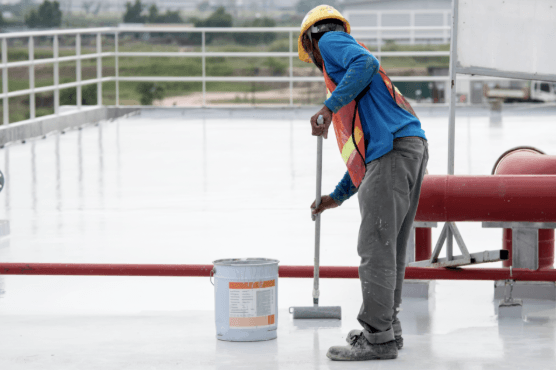
Industrial surfaces are exposed to many conditions that can affect their appearance, performance, and readiness for further processing. Rust may develop during storage, paint can deteriorate, and production processes may leave behind unwanted residues. Before components are coated, welded, inspected, or refurbished, manufacturers need a reliable way to prepare the surface.
Laser-based cleaning is one option businesses can assess when reviewing their existing maintenance and surface-treatment processes. The right solution depends on the material, contaminant, required finish, and working environment.
Why Surface Preparation Is Important
Surface preparation influences the quality of downstream manufacturing operations. Residue can interfere with coating adhesion, conceal defects, and complicate inspection. Inconsistent preparation may lead to rework, wasted materials, or premature coating failure.
A cleaning process should therefore be selected according to the next operation. A surface intended for repainting may have different requirements from a component being prepared for precision inspection or welding.
Before selecting equipment, identify the substrate, type of contamination, approximate layer thickness, and acceptable condition of the cleaned surface. These details provide a practical foundation for testing and comparison.
Understanding Laser-Based Cleaning
Laser cleaning uses controlled laser energy to interact with unwanted material on a surface. Under suitable conditions, the process can loosen or remove selected contaminants while limiting unwanted effects on the underlying substrate.
Performance depends on laser output, pulse characteristics or operating mode, scanning speed, working distance, surface condition, and the properties of the contaminant. Rust, paint, oxides, and other residues may respond differently, so a successful result on one material does not guarantee the same result on another.
Businesses exploring available technology can review the Clyertek laser cleaning machine range as a starting point for researching industrial cleaning solutions and identifying equipment options for further evaluation.
Applications Across Manufacturing and Maintenance
Metal fabrication
Fabrication workshops often prepare metal surfaces before joining, coating, or finishing. Laser cleaning may be appropriate for selected applications where the substrate and contaminant are compatible with the process.
Testing should verify that the treated area meets the requirements of the next production stage. Visual appearance alone may not establish that the surface is suitable for coating or welding.
Industrial refurbishment
Machinery, metal fixtures, and reusable components can accumulate corrosion or surface deposits during service. A suitable cleaning process may help prepare these items for inspection, repair, or refinishing.
Cleaning cannot correct structural damage or replace engineering assessment. Components with deep corrosion, cracks, or material loss require separate evaluation to determine whether they remain serviceable.
Tooling and production equipment
Selected tools and machine components may need cleaning during maintenance. Laser-based treatment can be considered where the process is compatible with the material, geometry, and required finish.
Care is particularly important around precision surfaces, seals, bearings, and heat-sensitive areas. The cleaning method should not compromise the function or dimensional accuracy of the component.
Comparing Cleaning Technologies
Industrial cleaning methods include manual abrasion, chemical treatments, blasting, and other mechanical or thermal processes. Each has advantages and limitations depending on the job.
When evaluating laser cleaning, compare the entire workflow rather than just the treatment stage. Consider preparation time, consumables, waste handling, surface quality, access, operator training, and the need for ventilation or protective enclosures.
A practical trial should use representative parts with typical contamination. Record the time required, inspect the finished surface, and assess whether additional treatment is needed before the next manufacturing operation.
Choosing Suitable Equipment
Equipment selection should be based on the actual cleaning workload. Important considerations include the contaminant type, substrate, required treatment area, expected processing time, working distance, mobility, and available technical support.
Different laser configurations may suit different tasks. Pulsed and continuous systems deliver energy differently, so the preferred option depends on the surface and desired result rather than a general assumption that one technology is always superior.
Ask suppliers about supported applications, operating limits, maintenance, training, accessories, and safety requirements. Request evidence or demonstrations relevant to the materials and contaminants used in the facility.
Safety and Environmental Controls
Laser cleaning can expose workers to direct or reflected laser radiation and airborne particles or fumes generated from rust, paint, coatings, and other deposits. The exact risks depend on the equipment and materials involved.
A documented risk assessment should determine whether an enclosed laser area, interlocks, warning indicators, controlled access, suitable laser-rated eyewear, and local exhaust ventilation are required. Unknown coatings should be assessed before treatment whenever possible.
Operators should receive equipment-specific training and follow the manufacturer’s instructions. Environmental controls should be designed for the contaminants likely to be generated, not selected solely on the basis of the machine’s size.
Measuring Operational Value
A new cleaning process should be assessed against the current method using measurable criteria. Track labour time, processing speed, consumable use, waste handling, rework, and the condition of the surface after treatment.
Include installation, training, maintenance, and safety infrastructure in the cost comparison. A process that reduces cleaning time may still require additional controls or inspection steps, so the complete workflow should be considered.
Frequently Asked Questions
1. What contaminants can laser cleaning remove?
Depending on the equipment and settings, laser cleaning may remove selected rust, oxides, paint, and other surface deposits. The actual application must be tested before production use.
2. Can laser cleaning damage the underlying material?
Yes, unsuitable settings or an incompatible process can alter the substrate. Testing and inspection help establish safe operating parameters for each application.
3. Is laser cleaning suitable for every industry?
No. Suitability depends on the material, contaminant, production requirements, and safety arrangements. Businesses should compare the process with other available cleaning methods.
Conclusion
Industrial surface preparation is essential for reliable manufacturing, refurbishment, and maintenance. Laser cleaning may provide an alternative for selected applications where controlled contaminant removal is required. Careful testing, equipment selection, process documentation, and appropriate safety measures help businesses determine whether laser technology fits their workflow and delivers measurable operational value.

 By