Fire safety in modern buildings depends on several systems working together, including structural design, fire-resistant walls, protected escape routes, detection equipment, and carefully selected construction materials. Although joints and small openings may appear insignificant, they can become important weak points when a building is exposed to fire. The materials used to seal these gaps must therefore be selected according to their intended function and verified performance.
Silicone sealants are valued in construction for their adhesion, flexibility, and resistance to environmental conditions. Certain specialist formulations are designed for applications where fire resistance is required. However, ordinary silicone sealant should not be assumed to provide fire protection simply because it withstands heat or retains its shape under demanding conditions.
Understanding the difference between general-purpose sealing and tested fire-resistant joint systems helps architects, contractors, and facility managers make informed decisions. Proper product selection, installation, and inspection are all necessary to support the intended performance of a building’s fire-safety design.
The Role of Sealants in Fire-Resistant Construction
Why Building Joints Need Attention
Buildings contain joints around service penetrations, wall connections, doors, windows, and interfaces between different construction materials. These locations may be vulnerable if they are not detailed correctly.
During a fire, openings can allow smoke, hot gases, and flames to pass between spaces. The consequences depend on the building layout, the materials involved, and whether the joint forms part of a fire-resistance-rated assembly.
A sealant used in these locations must be appropriate for the specific joint and tested configuration. A product that performs well for weatherproofing or general construction may not meet the requirements for fire-rated applications.
Understanding Fire-Resistant Materials
Fire-resistant construction materials are evaluated according to defined performance criteria. Depending on the application and applicable standards, testing may assess integrity, insulation, smoke leakage, or other relevant properties.
These characteristics should not be confused with a material’s general ability to tolerate elevated temperatures. A sealant might remain attached to a surface during moderate heating without providing the fire-resistance performance required for a rated wall or floor assembly.
For this reason, project specifications should identify the required performance and the evidence needed to demonstrate compliance.
How Silicone Sealants Support Construction Projects
Flexibility at Building Interfaces
Construction materials expand, contract, and move as temperature and environmental conditions change. A flexible sealant can help maintain a continuous joint where the surrounding materials experience limited movement.
Silicone formulations are often chosen for their elasticity and adhesion to suitable substrates. These properties can be valuable around building interfaces, glazing systems, and selected construction joints.
For fire-rated work, however, flexibility alone is not enough. The product must also be approved for the required fire-resistance application and installed according to the tested system’s instructions.
Resistance to Environmental Exposure
Some silicone sealants perform well under changing weather conditions and exposure to moisture. This can make them suitable for particular exterior joints and building-envelope applications.
Environmental durability and fire resistance are separate performance characteristics. A product suitable for outdoor weather sealing may not be appropriate for sealing a penetration through a fire-rated wall.
Contractors should review the technical documentation to establish the exact scope of use rather than relying on one favourable product property.
Adhesion to Different Materials
Construction joints may involve concrete, masonry, metal, glass, or other building materials. Adhesion depends on the sealant formulation, substrate condition, joint design, and any required preparation.
Contaminants, loose particles, incompatible coatings, or inadequate curing can reduce performance. In fire-rated assemblies, these installation factors can also affect whether the completed joint matches the configuration evaluated during testing.
Important Considerations When Selecting a Fire-Resistant Sealant
Confirm the Required Fire Rating
The first step is identifying the fire-resistance requirement specified for the building element. Walls, floors, service penetrations, and perimeter joints may have different requirements.
Review the relevant building codes, project drawings, and specifications before selecting a product. Where certification or third-party testing is required, verify the documentation and ensure it covers the intended application.
A general statement such as heat resistant or fireproof is not sufficient evidence that a product can maintain a required fire rating.
Check the Complete Tested System
Fire performance often depends on an assembly rather than one material in isolation. The surrounding wall or floor construction, opening dimensions, joint width, backing material, installation depth, and type of penetration can all influence results.
A sealant approved for one configuration may not be approved for another. For example, a system tested for a specific wall type cannot automatically be assumed suitable for a different floor construction or a larger opening.
Contractors should follow the applicable tested design and avoid substitutions without technical approval.
Review Movement Requirements
Some joints must accommodate movement caused by temperature changes, building settlement, or structural deflection. Others are designed primarily to seal static gaps.
The product’s movement capability should be compatible with the expected joint behaviour. If movement is significant, the selected fire-resistant system must be suitable for that condition, not merely for a stationary gap.
Consider Smoke and Air Leakage
Fire safety can involve smoke control as well as resistance to flames. Smoke may travel through openings before surrounding materials reach the temperatures associated with a fully developed fire.
Where smoke leakage is a concern, check whether the selected system has the relevant performance evidence. Fire resistance, smoke sealing, acoustic performance, and ordinary air sealing are related but distinct requirements.
Common Applications in Buildings
Joints Between Fire-Resistant Building Elements
Some wall-to-wall, wall-to-floor, and other construction interfaces require a tested joint system to maintain the performance of the surrounding assembly.
The exact solution depends on the construction type, joint movement, required rating, and applicable standards. A specialist sealant may be part of the system, but the complete installation must follow the approved design.
Service Penetrations
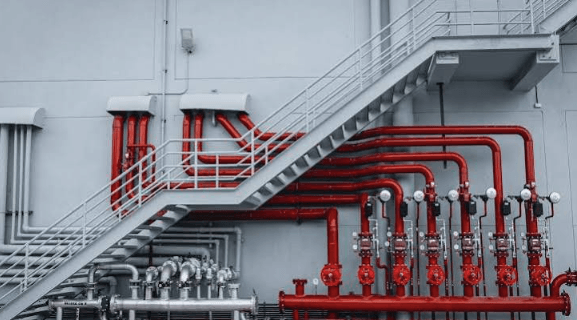
Electrical cables, pipes, and other building services often pass through walls and floors. These openings can interrupt a fire-resisting barrier if they are not properly protected.
The appropriate firestop solution depends on the type and size of the service, the surrounding construction, and the required performance. A sealant intended for ordinary building joints should not be substituted for a tested penetration system without documented approval.
Perimeter and Interface Joints
Certain building interfaces require both environmental sealing and fire-related performance. These applications can involve complex requirements because the joint may need to accommodate movement while preserving the performance of the building assembly.
Designers should identify all applicable requirements early so that the selected system meets the needs of the project without relying on assumptions about material capabilities.
Renovation and Maintenance
During renovations, older sealants may be damaged, detached, or incompatible with updated building requirements. Replacing them requires more than applying a new bead over the existing material.
First, identify the original function of the joint and determine whether it forms part of a fire-rated assembly. Remove unsuitable material as required, inspect the substrate, and use an approved replacement system. Changes should be documented where required by the building’s maintenance procedures.
Installation Practices That Support Reliable Performance
Prepare the Joint Correctly
Remove loose material and contaminants according to the product instructions. Confirm that the surrounding surfaces are in suitable condition and that any required primer or backing material is compatible with the specified system.
Do not change the joint dimensions or installation depth simply to make application easier. These details may be essential to achieving the tested performance.
Follow Application Instructions
Use the specified application method and ensure that the material fills the intended space without unapproved gaps or voids. Observe restrictions concerning temperature, humidity, curing time, and exposure during installation.
For fire-rated work, the installer should be trained or otherwise qualified where the project or local requirements call for it. Clear documentation can help demonstrate that the system was installed as specified.
Inspect and Maintain Completed Joints
Inspection should look for gaps, cracking, separation, damage, and unauthorised alterations. Service work performed after installation can disturb firestopping, so maintenance teams should understand the importance of restoring any affected protection.
Records of product identification, installation details, and inspection findings can make future maintenance more reliable.
Evaluating Products and Suppliers
A reliable purchasing process begins with the technical requirements rather than a product label. Review the product’s data sheet, relevant fire-test reports, certifications, installation instructions, and limitations.
When considering jiaobao Fireproof Building Silicone Sealant confirm the documented applications, approved substrates, applicable fire-performance evidence, and compatibility with the intended construction system. These checks help establish whether the product is suitable for the project rather than assuming that all silicone sealants offer the same protection.
Suppliers should be able to provide clear product identification, storage guidance, shelf-life information, and technical support. For larger projects, consistent supply and traceable documentation can also simplify quality control.
Cost remains relevant, but the lowest initial price does not necessarily represent the best value. Consider installation requirements, compatibility, inspection needs, and the consequences of using a product outside its approved scope.
See also: Maintaining Stable Environmental Conditions for Reliable Product Testing
Frequently Asked Questions
1. Is every silicone sealant suitable for fire-rated joints?
No. General-purpose silicone sealants are not automatically suitable for fire-rated construction. The product and complete joint or penetration system must have the appropriate documented performance for the intended application.
2. Can a fire-resistant sealant be used in any wall or floor?
Not necessarily. Fire performance may depend on the wall or floor type, joint dimensions, backing materials, and installation method. Follow the applicable tested system and project specifications.
3. Does heat resistance mean a sealant is fireproof?
No. Heat resistance and fire-resistance performance are different properties. A product must have relevant test evidence and approval for the intended application before it is specified for a fire-rated assembly.
Conclusion
Fire-resistant joint protection is an important part of a building’s overall fire-safety strategy. Choosing the correct sealant requires an understanding of the required rating, the surrounding construction, joint movement, environmental exposure, and installation conditions.
Silicone sealants can support particular construction applications, but their suitability for fire-rated work must be established through reliable technical evidence. By selecting an appropriate tested system, following installation requirements, and maintaining clear inspection records, building professionals can reduce avoidable risks and support the intended performance of fire-resistant assemblies.

 By