Selecting the right surface material can influence the appearance, maintenance requirements, and service life of an interior space. Offices, hotels, retail stores, healthcare facilities, and residential properties all require finishes that balance visual appeal with practical performance.
High-pressure laminate has become a widely used option for furniture, cabinetry, wall panels, and commercial interiors. Its range of colors, textures, and decorative patterns gives designers considerable flexibility, while its engineered construction can provide useful resistance to everyday wear when the correct product is selected.
However, not every laminate is suitable for every environment. Product specifications, manufacturing consistency, installation techniques, and substrate quality all affect the finished result. Understanding these factors helps architects, contractors, and procurement teams make more informed decisions.
What Makes High-Pressure Laminate Different?
High-pressure laminate, commonly known as HPL, is manufactured by combining layers of resin-treated paper under heat and pressure. The decorative layer determines the visible pattern, while the remaining layers contribute to the material’s structure and performance.
Depending on the product, the finished surface may imitate timber, natural stone, concrete, or solid colors. Textured and smooth finishes provide further options for different architectural styles.
The Manufacturing Process
HPL production generally involves preparing impregnated paper layers, arranging them in a specified sequence, and consolidating them under controlled heat and pressure. The precise construction depends on the intended application and product design.
Manufacturing conditions influence surface uniformity, thickness, and other performance characteristics. Consistent quality is particularly important when multiple sheets are installed next to one another, as differences in pattern or finish can become noticeable across a large surface.
For this reason, buyers should review product-specific technical information instead of relying exclusively on general descriptions.
Decorative and Functional Applications
HPL is commonly used for cabinet doors, office desks, retail fixtures, wall cladding in suitable interior settings, and furniture panels. Different grades and constructions may be designed for particular requirements, so the intended use should be confirmed before purchase.
Standard decorative laminate is not automatically suitable for exterior exposure, prolonged moisture contact, or specialized industrial environments. Selecting a product based on its verified application helps prevent premature deterioration and unnecessary maintenance.
Evaluating Manufacturers and Product Quality
Choosing a suitable manufacturing partner involves assessing both product characteristics and the support available throughout a project.
Manufacturing Consistency
Consistent production is essential for projects requiring multiple sheets or repeat orders. Variations in decorative appearance, dimensions, or finish can complicate fabrication and reduce the visual quality of the final installation.
Buyers should ask how products are identified, how batches are managed, and whether the same decorative reference can be supplied for later phases. Approving a sample before placing a large order can also reduce the risk of misunderstandings.
Technical Specifications
Technical documentation should explain the properties relevant to the intended application. Depending on the product, this may include thickness, dimensions, tolerances, surface finish, abrasion performance, impact resistance, and cleaning recommendations.
A supplier’s general product description may not provide enough detail for a demanding commercial project. Where performance requirements are important, request documentation or test results for the exact product being considered.
When comparing high pressure laminate manufacturers project teams should evaluate documented product performance, manufacturing consistency, available designs, and the suitability of the offered range for the intended environment.
Range of Designs
A suitable design range can simplify coordination between different parts of an interior. Designers may need several complementary finishes for cabinetry, counters, partitions, and decorative panels.
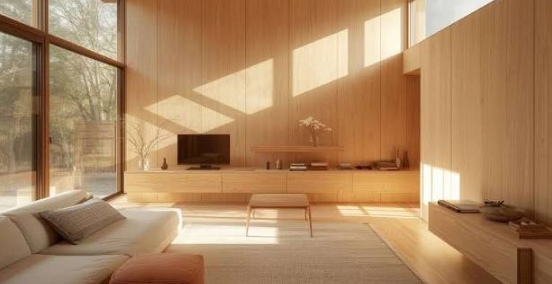
Woodgrain patterns can create a warm atmosphere, while stone-inspired finishes may suit reception areas and retail displays. Solid colors can provide a clean appearance in offices and contemporary residential spaces.
Physical samples are useful because printed images and digital displays may not accurately reproduce color, gloss, or texture. Reviewing samples under the project’s lighting conditions helps improve selection accuracy.
Matching Laminate to the Intended Environment
The conditions in which a surface will be used should guide the choice of laminate.
Residential Interiors
Homes use laminate in kitchens, wardrobes, study desks, storage cabinets, and furniture. These surfaces may encounter regular handling, cleaning products, food spills, and occasional heat exposure.
A suitable product should meet the expected demands of the particular location. Cabinet interiors, decorative doors, and work surfaces may require different substrate and finishing arrangements.
Careful selection also helps homeowners balance design preferences with maintenance needs and budget constraints.
Offices and Commercial Spaces
Commercial interiors often experience heavier use than private residential spaces. Desks, meeting tables, reception counters, and shared storage surfaces may be exposed to repeated contact throughout the working day.
Procurement teams should consider the expected frequency of use and the types of wear the surface may encounter. Cleaning procedures, equipment placement, and the likelihood of impacts should all inform the specification.
Hospitality and Retail Projects
Hotels, restaurants, and retail spaces frequently use decorative surfaces to reinforce a brand identity. Materials must support the intended visual style while meeting practical demands associated with daily operation.
Design consistency is especially important when the same finish appears across multiple rooms, counters, or locations. Product references, approved samples, and clear ordering records can help maintain consistency throughout the project.
Understanding Substrates and Panel Construction
HPL is frequently bonded to a supporting substrate. The finished panel’s performance therefore depends on the laminate, substrate, adhesive, and fabrication method working together.
Choosing an Appropriate Substrate
Common substrates include medium-density fiberboard, particleboard, and plywood. The correct option depends on the panel’s dimensions, loading conditions, moisture exposure, mounting method, and intended service life.
A cabinet door may have different structural needs from a long countertop or a large panel mounted vertically. Engineers and fabricators should consider the weight of the assembly, support spacing, fastener placement, and possible dimensional changes.
A decorative laminate should not be treated as a substitute for a moisture-resistant substrate where the underlying board may be exposed to humidity or water.
Adhesive Compatibility
The adhesive system must be compatible with both the laminate and the substrate. Surface preparation, application technique, pressing conditions, and curing time can influence the strength and appearance of the bond.
Incorrect bonding may cause bubbles, lifting, or uneven surfaces. Fabricators should follow the relevant technical instructions and ensure that the materials are appropriate for the intended installation environment.
Edge Finishing and Cutouts
Edges, corners, and cutouts are important parts of the finished panel. Poorly finished edges can affect appearance and leave the substrate more vulnerable to damage.
Accurate measurements and appropriate edge treatments help improve durability. Openings for sinks, fittings, and electrical equipment should be planned carefully to avoid unnecessary cutting, material waste, and installation delays.
Installation and Maintenance Considerations
Correct installation helps a laminate surface achieve its intended performance.
Preparing Materials Before Installation
Sheets and substrates should be inspected for visible damage and stored according to the manufacturer’s guidance. Suitable support and protection help prevent bending, contamination, and accidental impact.
Where required, materials should be allowed to acclimatize to site conditions before fabrication or bonding. This can help reduce problems associated with temperature and humidity changes.
Following Manufacturer Instructions
Adhesive selection, pressing requirements, cutting methods, and cleaning recommendations vary between products and systems. Installers should follow the instructions supplied for the actual materials rather than assuming that a single method works for every laminate.
For complex or high-traffic installations, coordination between the designer, fabricator, and installer can help identify potential issues before work begins.
Maintaining the Surface
Routine maintenance generally involves using suitable cleaning methods and avoiding products that could damage the finish. Abrasive pads, aggressive chemicals, and excessive heat may be unsuitable for some surfaces.
The manufacturer’s care guidance should be shared with building managers and maintenance teams. Appropriate cleaning practices can help preserve the appearance of the installation over time.
Balancing Cost, Availability, and Long-Term Value
Initial price is only one part of the purchasing decision. The total cost may also include transport, fabrication, installation, maintenance, and replacement.
A less expensive product may be appropriate for a low-demand application, while a more specialized laminate may be justified where documented performance is essential. The objective is to match product quality to actual project requirements rather than automatically selecting the lowest quotation.
Availability also deserves attention. Confirm sheet dimensions, quantities, lead times, delivery arrangements, and the possibility of obtaining matching products for future work.
For projects delivered in phases, maintaining accurate product references and approved samples helps reduce the risk of selecting a visually different replacement later.
Frequently Asked Questions
1. What should buyers compare when selecting HPL products?
They should compare decorative options, dimensions, thickness, documented performance, substrate compatibility, installation requirements, availability, and total project cost.
2. Can high-pressure laminate be used for commercial furniture?
Yes. Suitable HPL products are commonly used for office desks, reception counters, retail fixtures, cabinets, and other furniture. The product should match the expected level of use and maintenance requirements.
3. Does HPL require specialized maintenance?
Most products can be maintained with appropriate routine cleaning, but the recommended methods depend on the specific finish. Users should follow the manufacturer’s guidance and avoid unsuitable chemicals or abrasive materials.
Conclusion
High-pressure laminate offers designers and project teams a flexible option for creating practical, visually consistent interior surfaces. Its performance depends on selecting the correct product, verifying technical specifications, choosing a compatible substrate, and following appropriate fabrication and installation procedures.
By evaluating manufacturing consistency, design availability, documentation, and lifecycle costs, buyers can make better-informed decisions for residential and commercial projects. A clear specification and careful coordination help ensure that the finished installation meets both its visual objectives and its everyday functional demands.


 By